
Every December is a good time to look back at the technology that defined the year. 2026 has been a busy one: artificial intelligence moved further into everyday life, phone makers kept pushing new shapes and ideas, the home got smarter, and the devices on our wrists and in our ears kept getting more capable. None of these trends appeared out of nowhere, but this was the year many of them went from interesting experiments to things ordinary people actually use. Here are the biggest themes that shaped tech in 2026.
AI assistants became part of daily life
The biggest story of the year is how normal AI assistants have become. A few years ago, asking a computer to draft an email, summarise a long document or plan a trip felt like a novelty. In 2026, these are everyday tasks for millions of people. AI helpers are now built into phones, laptops, browsers and office software, ready to answer questions, organise notes and speed up routine work.
What changed is reliability and ease of use. The assistants of 2026 understand longer, messier requests and give more useful answers with fewer corrections needed. They can work across apps, pulling details from your calendar, your inbox and your files to complete a task in one go. For many users, the assistant has quietly become the first place they turn when they need to find something or get something written.
This shift has also raised bigger questions that will follow us into next year. People are thinking more carefully about what data they share with these tools, and companies are competing on privacy and transparency as much as on features. Schools and workplaces have had to write new rules about when AI help is welcome and when work should be done by hand. The technology is settling in, and society is catching up with the rules.
Phones, foldables and the changing shape of devices
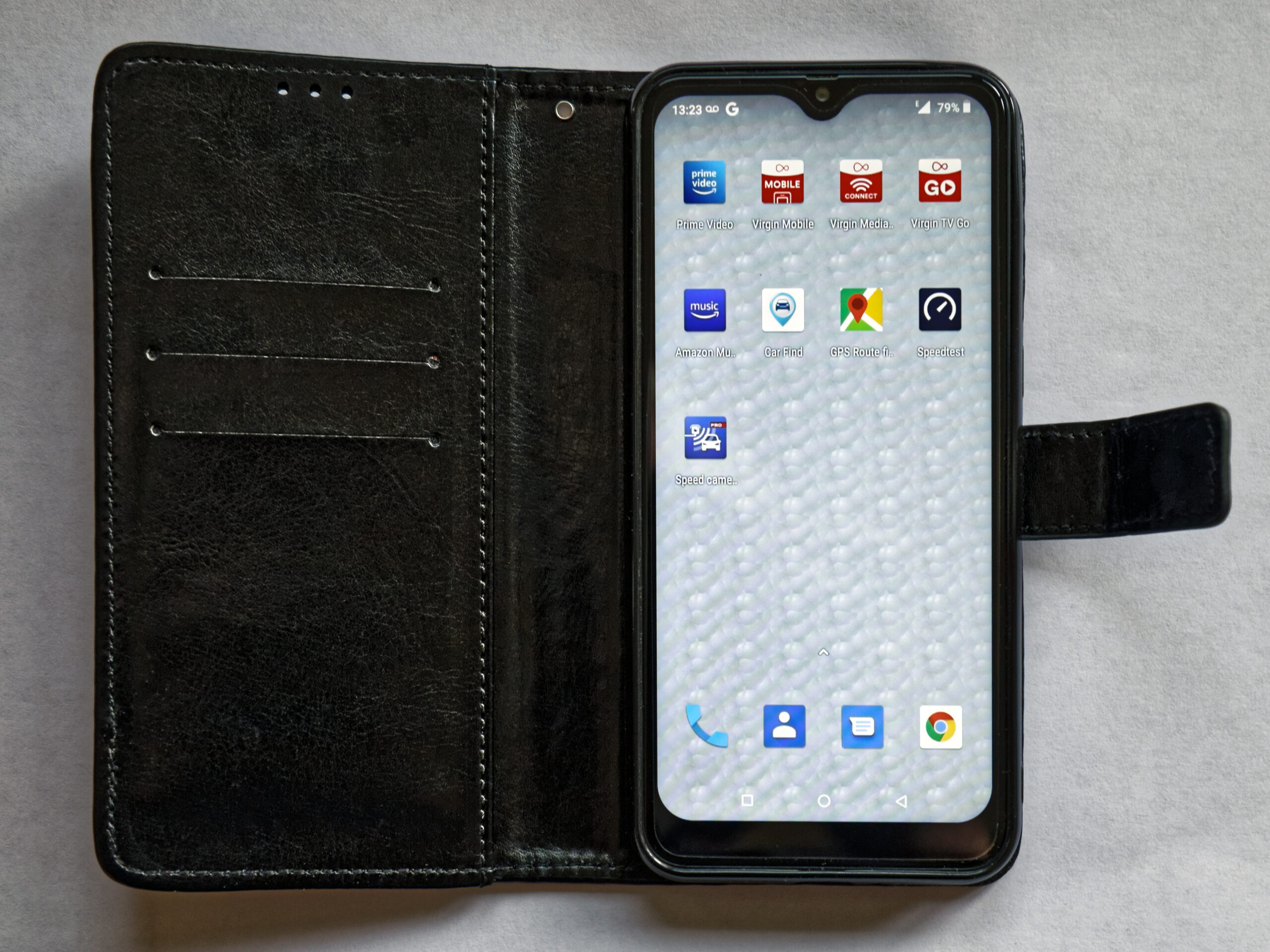
Smartphones did not stand still in 2026. Foldable phones, which fold open like a book to reveal a larger screen, continued their slow march toward the mainstream. The designs are slimmer and sturdier than the early models, the crease in the middle is less noticeable, and prices have gradually become more reasonable. They are still a premium choice, but they no longer feel like a gamble.
Beyond foldables, the big theme in phones has been longer-lasting software and smarter cameras. Manufacturers now promise more years of updates, which means a phone bought this year stays secure and useful for longer. Cameras keep improving through better processing rather than bigger lenses, with night shots and zoom in particular looking noticeably better than a few years ago.
Wearables had a strong year too. Smartwatches now track more health signals, from sleep quality to heart rhythms, and present the results in ways that are genuinely easy to understand. Wireless earbuds have become better at cancelling noise on busy streets and clearer on calls, and many pairs now include simple AI features like live translation. The line between a gadget and a health companion keeps getting thinner.
The smarter home and what comes next
The smart home matured in 2026. Smart speakers, thermostats, lights and security cameras are no longer separate gadgets that barely talk to each other: common standards have made it much easier to mix devices from different brands in one home. Setting up a smart home is still a weekend project, but it is a friendlier one than it used to be.
Energy awareness has been a quiet driver of this trend. Smart thermostats and plugs that show exactly how much power your devices use have helped households cut waste without much effort. As energy costs stay on everyone’s mind, technology that saves money as well as time has an easy sell.
Gaming and entertainment tech also kept evolving, with cloud gaming improving to the point where a fast internet connection can replace an expensive console for casual players, and home audio and video gear getting simpler to set up. Meanwhile, the groundwork is being laid for the next wave: early augmented reality glasses are moving from prototypes toward real products, and researchers keep pushing battery and chip efficiency forward.
Looking ahead to 2027, the pattern is clear. The most important technology is not always the flashiest launch of the year: it is the technology that quietly becomes part of the routine. In 2026, that was the AI assistant on your phone, the watch that watches your health, and the home that watches itself a little better each month. The trends that shaped this year are the ones that stuck around, and they will be the foundation for whatever comes next.