Turning your home into a smart home can feel overwhelming, with endless gadgets, apps and brand names competing for your attention. The good news is that you do not need to automate everything at once. A smart home starter setup is really about picking two or three simple devices, getting them working reliably, and then expanding only if you enjoy the experience. This guide walks you through the best beginner-friendly devices and how to choose them.
Start With a Smart Speaker
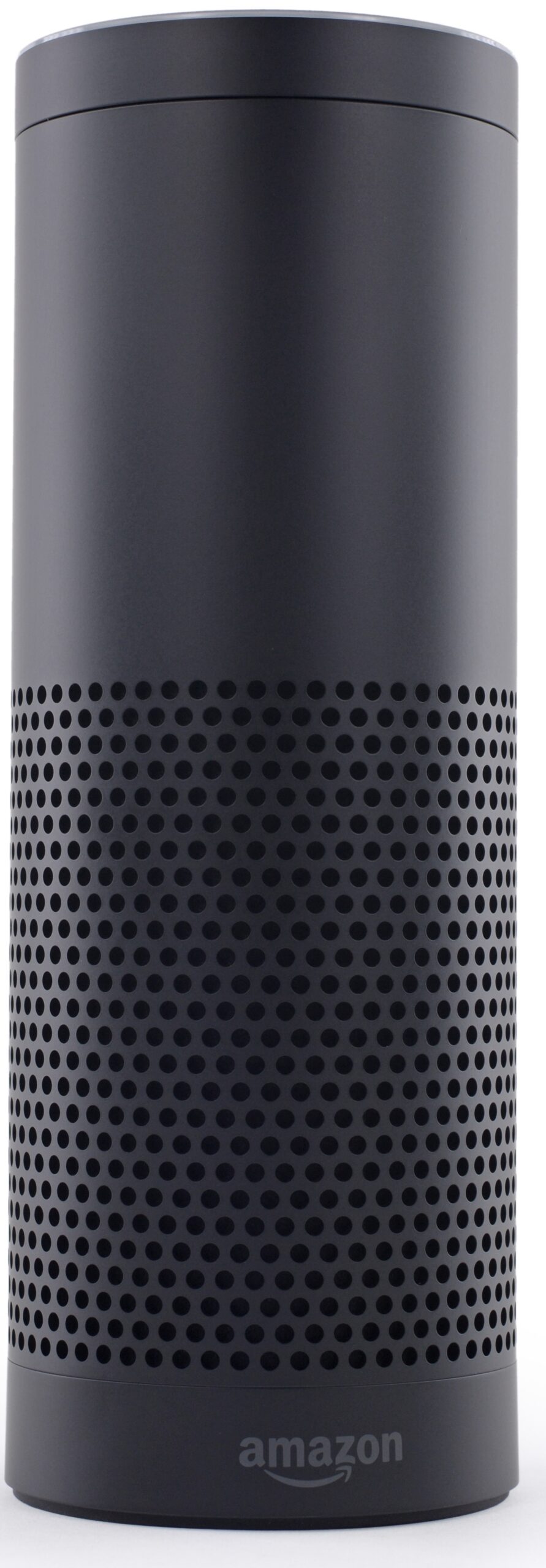
The single best first purchase for most beginners is a smart speaker. Devices like the Amazon Echo range or Google Nest speakers act as the voice-controlled hub of your home, letting you play music, set timers, ask questions and control other smart devices hands-free. They are affordable, easy to set up through a phone app, and give you an immediate sense of what a smart home feels like. If you already live inside the Apple world, a HomePod or HomePod mini plays the same role with Siri built in.
When choosing, think about which voice assistant your household already uses. If everyone has Android phones and uses Google services, a Google Nest device fits naturally. If you shop a lot on Amazon or use Alexa skills, an Echo speaker is the obvious pick. Whichever you choose, place it in the room where you spend most of your time, usually the living room or kitchen, so you actually use it every day.
Smart displays are worth considering too. Models like the Echo Show or Google Nest Hub add a touchscreen to the speaker, which is handy for video calls, following recipes in the kitchen, or glancing at a doorbell camera feed. They cost a little more than basic speakers, but the screen makes everyday tasks noticeably easier, especially for households that are new to voice control.
Smart Lighting and Smart Plugs Come Next
After a speaker, smart lighting is the upgrade most people notice and enjoy the most. Smart bulbs from brands like Philips Hue, LIFX or IKEA Dirigera screw into your existing lamps and let you dim lights, change colours and set schedules from your phone or by voice. You can have lights fade on gently in the morning, switch everything off with one voice command at night, or set warm tones for movie evenings. Starter kits with two or three bulbs are a low-risk way to try it out.
Smart plugs are the other beginner favourite. They turn any ordinary device into a smart one: plug in a fan, a lamp or a coffee machine, and you can switch it on or off remotely or on a schedule. They are inexpensive, need no wiring, and work with all the major voice assistants. A typical beginner shopping list looks like this:
- One smart speaker for voice control and music
- A starter set of two or three smart bulbs for the main living space
- Two smart plugs for lamps or small appliances
- Optional: a video doorbell or indoor smart camera for peace of mind
Tips for a Smooth Setup
Before buying, check that new devices support your chosen assistant, whether that is Alexa, Google Assistant or Apple HomeKit. Most modern gadgets support at least two of the three, but it pays to confirm. Second, make sure your Wi-Fi covers the rooms where devices will live; a weak signal in the bedroom means a smart bulb that responds slowly. If your router struggles to reach the far corners of your home, a simple Wi-Fi extender can make the whole system far more reliable.
Take security seriously from day one. Use a strong, unique password for your smart home accounts, turn on two-factor authentication where it is offered, and keep device firmware updated through their apps. These small habits protect your cameras, doorbells and speakers from unwanted access.
Finally, resist the urge to buy a whole ecosystem in one go. Live with your first few devices for a month, learn what you actually use, and then buy more of what works for you. A smart home should make daily life a little easier and a little more fun, so start small, keep it simple, and let your home get smarter at your own pace.